Hey there, green lovers! Ever bitten into a leaf of collard greens and thought, “Wow, this is like nature’s own multivitamin wrapped in a crunchy package”? If not, you’re in for a treat. Collard greens are those big, bold leafy veggies that pack a punch in flavor and nutrition. They’re not just for Southern soul food anymore – they’re popping up in smoothies, wraps, and even salads everywhere.
Picture this: A vegetable that’s been around since ancient times, surviving everything from Greek feasts to modern-day health trends. Collard greens are versatile, affordable, and oh-so-good for you. Whether you’re gluten-free, vegan, or just trying to eat more veggies, these greens have got your back. Let’s dive in and explore why collard greens deserve a spot on your plate.

Look at that vibrant green! Doesn’t it make you want to grab a bunch right now?
What Are Collard Greens and Why Should You Care?
Collard greens are like the tough guys of the vegetable world. They’re part of the cabbage family, with large, dark green leaves that are a bit chewy when raw. But cook them up, and they turn tender and tasty. Native to the Mediterranean, they’ve become a staple in many cuisines, especially in the American South.
Why care? Well, in a world full of processed foods, collard greens are a breath of fresh air – literally. They’re loaded with stuff your body craves. Plus, they’re super easy to incorporate into meals. Ever tried swapping lettuce for collards in a salad? Game-changer!
I remember my first encounter with collard greens. I was at a family barbecue, skeptical about these “weird leaves.” One bite of a well-seasoned pot, and I was hooked. Have you had a similar “aha” moment with veggies?
A Quick History of This Southern Staple
Collard greens have quite the backstory. They date back to prehistoric times, but the Greeks and Romans really put them on the map. According to Wikipedia, they were cultivated in ancient Greece. Fast forward to the Americas, where enslaved Africans brought their knowledge of greens, turning them into soul food icons.
Today, they’re celebrated worldwide. In Brazil, they’re in feijoada; in Portugal, caldo verde soup. It’s like collard greens have a passport full of stamps!
Funny story: In the South, eating collards on New Year’s Day is said to bring wealth. The greens represent dollar bills. Who knew eating your veggies could make you rich?
Nutritional Powerhouse: Vitamins and Minerals Galore
Let’s geek out on nutrition for a sec. One cup of cooked collard greens has just 49 calories but boasts 5 grams of fiber, 4 grams of protein, and zero fat. But the real stars are the vitamins.
- Vitamin K: Over 1,000% of your daily need! Great for blood clotting and bone health.
- Vitamin A: 308% DV, for eye health and immunity.
- Vitamin C: 58% DV, fighting off colds like a champ.
- Calcium: 27% DV, without the dairy.
- Folate, manganese, and more!
It’s like collard greens are nature’s supplement. Healthline backs this up with even more details on their nutrient profile.
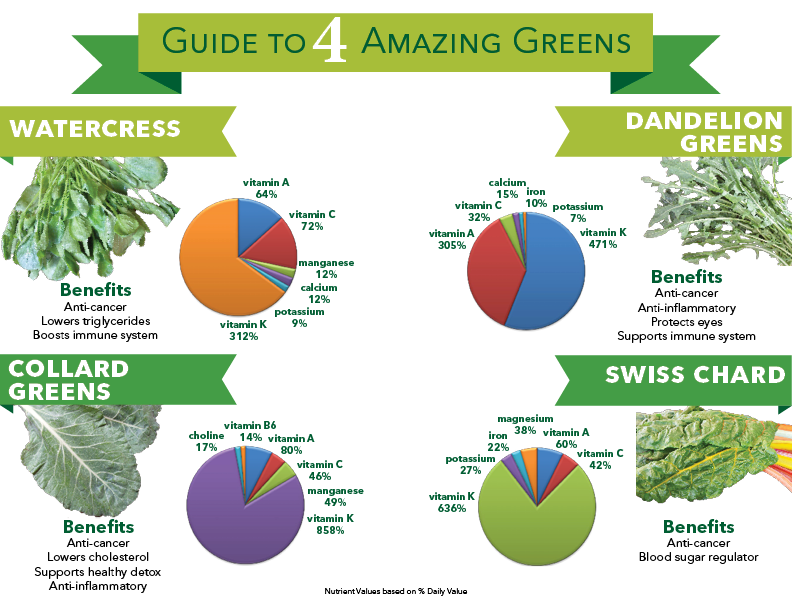
This infographic breaks it down nicely. See how collards stack up?
Health Benefits of Collard Greens That’ll Blow Your Mind
Okay, now for the good stuff. Eating collard greens isn’t just about filling your plate; it’s about fueling your body. These greens are linked to some serious health perks. Let’s break it down.
First off, they’re antioxidant powerhouses. Those compounds fight free radicals, which are like tiny troublemakers in your cells. Result? Lower risk of chronic diseases.
Boost Your Immune System
With all that vitamin C and A, collard greens are like a shield for your immune system. They help white blood cells do their job, keeping you from getting every bug going around.
During flu season, I load up on collards. Last winter, I swear they kept me sniffle-free while everyone else was down. What’s your go-to immune booster?
Support Heart Health
Fiber in collards binds to bile acids, lowering cholesterol. Plus, potassium helps regulate blood pressure. It’s like giving your heart a hug from the inside.
Studies show leafy greens reduce heart disease risk by up to 16%. Not bad for a simple veggie!
Aid in Digestion and Detox
The fiber keeps things moving, preventing constipation. And sulfur compounds help your liver detox. Think of it as a gentle cleanse without the juice fast drama.
If you’re new to high-fiber foods, start slow. Otherwise, you might feel a bit gassy – been there, done that!
Bone Health and More
Vitamin K and calcium team up for strong bones. Great for preventing osteoporosis. Plus, anti-inflammatory properties ease arthritis pain.
WebMD dives deeper into these benefits. Who knew greens could be so mighty?
How to Choose and Buy the Best Collard Greens
Shopping for collard greens? Head to the produce aisle. Look for deep green leaves without yellow spots or wilting. Firm stems are a must.
Organic is best to avoid pesticides. They’re in season from October to May, but available year-round. Farmers’ markets often have the freshest bunches.
Pro tip: Smaller leaves are more tender. Great for raw eats. Have you tried picking your own at a farm? It’s fun and fresh!
Smart Storage Tips to Keep Them Fresh
Don’t let those greens go bad! Store them in the fridge’s crisper drawer, wrapped in a damp paper towel inside a plastic bag. They’ll last 3-5 days.
If attached to roots, they stay fresh longer. Wash just before using to prevent sogginess. Freeze extras: Blanch, chop, and bag for up to a year.
I once forgot a bunch in the back of the fridge – turned into slime. Lesson learned: Keep ’em front and center!
Creative Ways to Cook and Eat Collard Greens
Boiled with ham hock? Classic, but there’s more! Collard greens shine in many dishes. Let’s get creative.
Raw? Yes! Massage with oil for salads. Cooked? Steam, sauté, or braise. They’re gluten-free by nature, perfect for our recipes section.
Steaming for Maximum Nutrients
Steaming preserves vitamins better than boiling. Cut leaves into strips, stems thin. Steam 5 minutes. Drizzle with lemon and olive oil – zing!
It’s like giving your greens a spa day. Nutrients stay in, flavor pops out.
Using as Wraps: Gluten-Free Alternative
Big leaves make perfect wraps. Blanch to soften, then fill with goodies. Bye-bye, tortillas! Ideal for gluten-free diets.
Check our gluten-free pita guide for more bread alternatives.
In Smoothies and Salads
Blend into smoothies for hidden greens. Or chop for salads. Pairs great with fruits for sweetness.
My secret: Add to berry smoothies. Kids never notice!
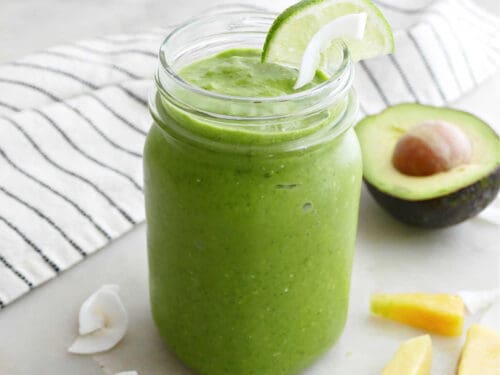
This smoothie looks refreshing, doesn’t it?
Mouthwatering Recipes with Collard Greens
Time to cook! These gluten-free collard greens recipes are easy and delicious. Let’s start with classics and twist ’em up.
Inspired by our teriyaki sauce recipe, add Asian flair.
Classic Southern Collard Greens (Gluten-Free Twist)
Ingredients:
- 1 bunch collard greens, chopped
- 1 onion, diced
- 2 garlic cloves, minced
- 2 cups gluten-free broth
- Salt, pepper, apple cider vinegar
Instructions: Sauté onion and garlic. Add greens and broth. Simmer 45 minutes. Splash vinegar. Serves 4.
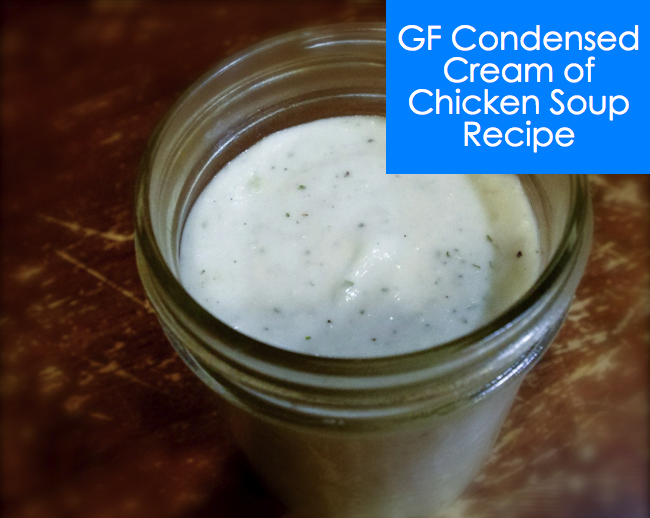
Tastes like home, minus gluten. Pair with cream of chicken soup.
Collard Green BLT Wraps
A fun, portable meal. Ingredients:
- 6-8 collard leaves
- 10 bacon slices (or vegan alternative)
- Tomatoes, mayo, garlic
Blanch leaves. Spread mayo mix, add fillings, roll. Cut in half. Yum!

These wraps are calling your name!
Collard Green Smoothie Bowl
For breakfast: Blend 1 cup collards, banana, berries, almond milk. Top with nuts and fruit.
It’s like dessert, but healthy. Great after reading about pancake mixes.
Stir-Fried Collard Greens with Garlic
Quick side: Sauté chopped greens with garlic, oil, sesame seeds. 10 minutes flat.

Simple and savory – perfect weeknight dish.
Want more? Explore our podcast for recipe talks.
Common Myths About Collard Greens Debunked
Myth 1: They’re bitter and gross. Truth: Proper cooking makes them mild and delicious.
Myth 2: Only for cooking long hours. Nope! Quick sautés work too.
Myth 3: Not gluten-free. They are naturally! Just watch add-ins.
Like oats – check our oats article.
Collard Greens vs. Other Greens: Which Wins?
Vs. Kale: Both nutritious, but collards have more vitamin K. Kale’s trendier, collards more versatile.
Vs. Spinach: Collards tougher, better for cooking. Spinach milder raw.

This chart shows the showdown. For more comparisons, see oats differences.
FAQs About Collard Greens
Are Collard Greens Gluten-Free?
Yes! Naturally. Perfect for celiac folks. Learn more at our oats guide.
Can I Eat Them Raw?
Sure, but massage first. Great in salads.
How Do They Help Weight Loss?
Low cal, high fiber – keeps you full.
Best Season for Collards?
Winter, but available always.
Difference from Kale?
Smoother leaves, milder taste.
Good for Kids?
Yes! Sneak into smoothies.
Storage Time?
3-5 days in fridge.
Nutrient Loss in Cooking?
Minimal if steamed.
Pair with What?
Beans, meats, grains.
Where to Buy?
Grocers or markets. For dining tips, check restaurant guide.
Any Allergies?
Rare, but watch if sensitive to brassicas.
Organic Necessary?
Preferred, like in maltodextrin talk.
Freeze Them?
Yes, blanched.
Health Risks?
High vitamin K – consult doc if on blood thinners.
More Recipes?
Visit home page or oats section.
There you have it! Collard greens are a superstar veggie. Try one recipe this week – your body will thank you. Share your collard adventures in comments!